





Quick Summary: To know how many calories are in food, you need a three-pronged approach: use a digital scale for accuracy at home, master the “hand method” for dining out, and account for the 20% margin of error legally allowed on nutrition labels. Focus on whole ingredients over processed barcodes for the most reliable data.
Let’s cut through the noise on how to know how many calories in food. Back in 2018, when I was still grinding 80-hour weeks in corporate PR, I thought I was a master of math. I logged every almond. I scanned every “healthy” frozen meal. Yet, I was constantly exhausted, my joints ached, and my weight wouldn’t budge. It turns out, I was trusting the wrong numbers.
The truth is, most people are guessing–and they’re guessing wrong. Last Tuesday, a client of mine in Santa Monica was shocked to find her “500-calorie” salad from a local cafe actually clocked in at 1,140 calories once we weighed the dressing and the avocado. If you want to stop guessing and start knowing, you need to understand that data is messy. Here is how I finally figured it out after my $200k burnout taught me that health is the only currency that matters.
🔗 Affiliate Disclosure
I am a certified nutritionist, but this content is for informational purposes only. Always consult with a healthcare professional before making significant changes to your diet or exercise routine.
The Label Lie: Why Barcode Scanning Isn’t Enough
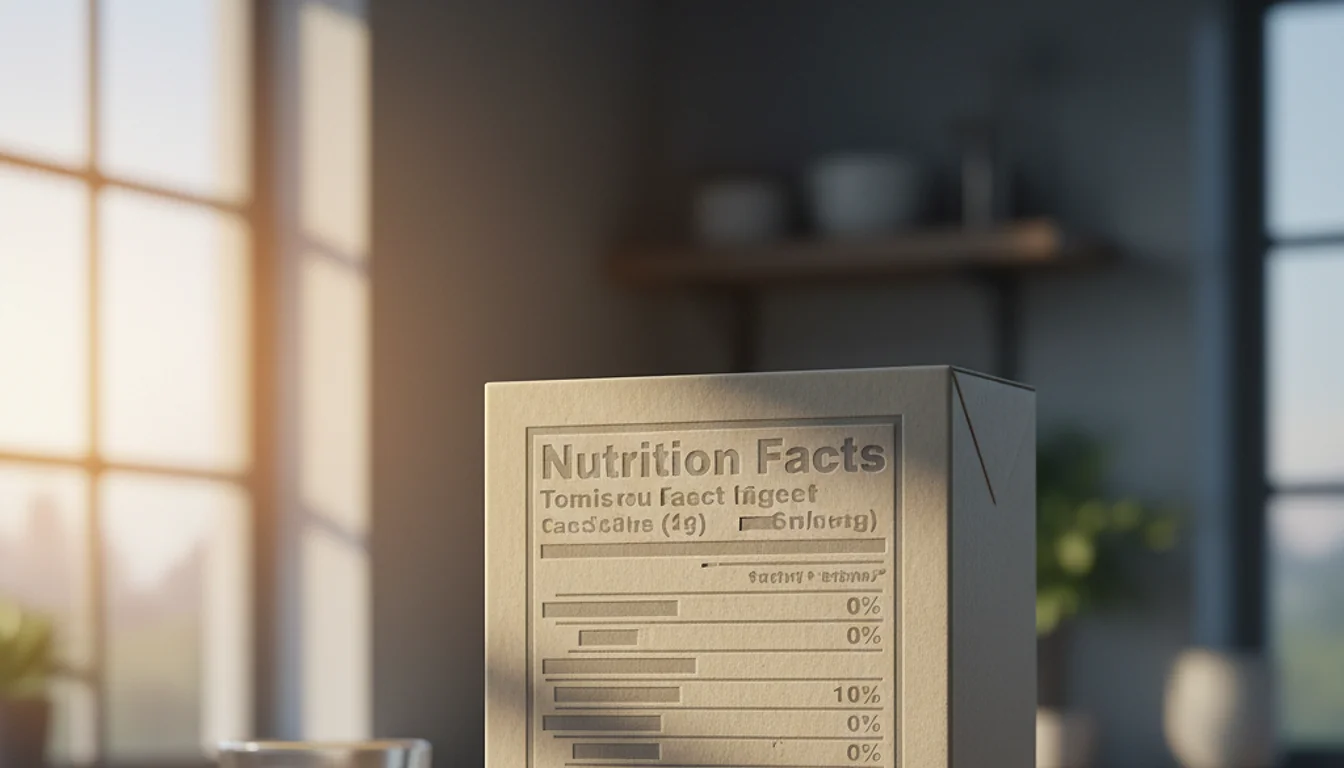
Most people think the “Nutrition Facts” on a box are gospel. They aren’t. Under current FDA guidelines (which haven’t changed much heading into 2026), manufacturers are allowed a 20% margin of error on their calorie counts. That means your 200-calorie protein bar could legally be 240 calories. Over three meals a day, that “small” error can put you 300+ calories over your target without you ever knowing.
I learned this the hard way when I was obsessively eating a specific brand of “low-cal” crackers that cost me $6.49 a box at Whole Foods. I wasn’t losing weight. When I finally used a digital scale to weigh a “serving,” I realized the weight listed on the box (28g) was actually only 4 crackers, not the 6 crackers promised in the text. I had been overeating by 50% for months. This is why decoding nutrition labels requires more than just reading the big numbers; you have to look at the gram weight.
💡 Pro Tip Always weigh your food in grams rather than using volume measurements like cups or tablespoons. A “cup” of flour can vary by 30% depending on how tightly it’s packed, but 120 grams is always 120 grams.
The Three Most Accurate Ways to Calculate Calories
If you really want to know what’s going into your body, you have to move beyond the barcode. Here is the hierarchy of accuracy I use with my clients today.
1. Digital Kitchen Scales (The Gold Standard)
There is no substitute for a scale. I use a Renpho Digital Scale that I bought on Amazon for $18.99. It’s small, fits in my kitchen drawer, and takes the guesswork out of “one medium apple.” Is it a pain at first? Yes. Does it take an extra 30 seconds? Yes. But it’s the only way to be 95% certain. When I started reclaiming my energy, weighing my fats (oils and nuts) was the biggest eye-opener.
2. The USDA FoodData Central Database
Stop trusting random entries in tracking apps. Anyone can upload a “Chicken Breast” entry to MyFitnessPal, and many are flat-out wrong. Instead, use the USDA FoodData Central (FDC). This is the primary source for most clinical nutrition research. If you search for “Broccoli, raw,” you get the average of hundreds of lab-tested samples. It is the most objective data we have as of March 2026.
3. Ingredient Deconstruction
If you’re eating a complex meal like a stir-fry, don’t search for “Chicken Stir Fry.” You have to weigh the chicken, the oil, and the rice separately. It sounds tedious, but after two weeks, you’ll start to “see” the calories. My friend Sarah used to think her homemade pesto was “light” until we deconstructed it–she was using $12.00 worth of pine nuts and nearly half a cup of olive oil, making a single serving nearly 800 calories.

How to Know Calories When Dining Out
This is where most people fail. You’re at a restaurant, there are no labels, and you didn’t bring your scale (please don’t be that person). I remember being at a brunch spot in Malibu last October, staring at a plate of avocado toast. I felt that old anxiety creeping in. Here is the “Hand Method” I used to stay sane.
- Your Palm: Roughly 3-4 ounces of protein (approx. 150-200 calories for lean meat).
- Your Fist: Roughly 1 cup of veggies or grains (approx. 100-200 calories for grains).
- Your Thumb: Roughly 1 tablespoon of fats/oils (approx. 100-120 calories).
- Your Cupped Hand: Roughly 1-2 ounces of nuts or small snacks (approx. 150-200 calories).
⚠️ Warning: Restaurants almost always use more oil and butter than you think. A standard 2024 study in the Journal of Nutrition found that restaurant meals average 200% more sodium and 15% more calories than the same meal prepared at home. Always add a “buffer” of 150 calories for hidden cooking fats.
The “Hidden” Calorie Traps (And What They Cost You)
In my 30s, I realized my chronic pain was partially fueled by systemic inflammation from “hidden” ingredients I wasn’t even counting. If you’re wondering why the scale isn’t moving despite your “perfect” tracking, look at these three culprits:
The Cooking Oil Tax
One tablespoon of olive oil is 119 calories. Most restaurants use 2-3 tablespoons just to sear a piece of fish. That’s nearly 360 calories before you’ve even taken a bite of the food itself. At home, I switched to an oil mister ($14.52 at Target) which reduced my oil usage by 70% per meal.
Liquid Calories and “Health” Drinks
Last month, I saw a “Green Detox” juice at a Santa Monica kiosk for $11.50. It claimed to be “low calorie,” but it contained 42g of sugar from apple juice concentrate. That’s 168 calories of pure sugar with zero fiber. If you aren’t counting the cream in your coffee or the “splash” of juice, you’re missing a huge part of the puzzle.
The “Bite, Lick, Taste” Rule
I call this the BLT rule. A lick of the peanut butter spoon ($0.00 but 50 calories), a bite of your partner’s fries (100 calories), and a taste of the pasta sauce (30 calories). These “free” calories can easily add up to an entire meal’s worth of energy by the end of the day.
💰 Cost Analysis
$25.00
The 2026 Shift: Why Knowing Calories Isn’t the Whole Story
I have to be honest with you: obsessing over calories was what led to my burnout. While it’s important to have a baseline understanding of “how to know how many calories in food,” the quality of those calories matters more for how you feel. 500 calories of wild-caught salmon and asparagus will leave you feeling vibrant; 500 calories of a processed “diet” shake will leave you crashing by 3 PM.
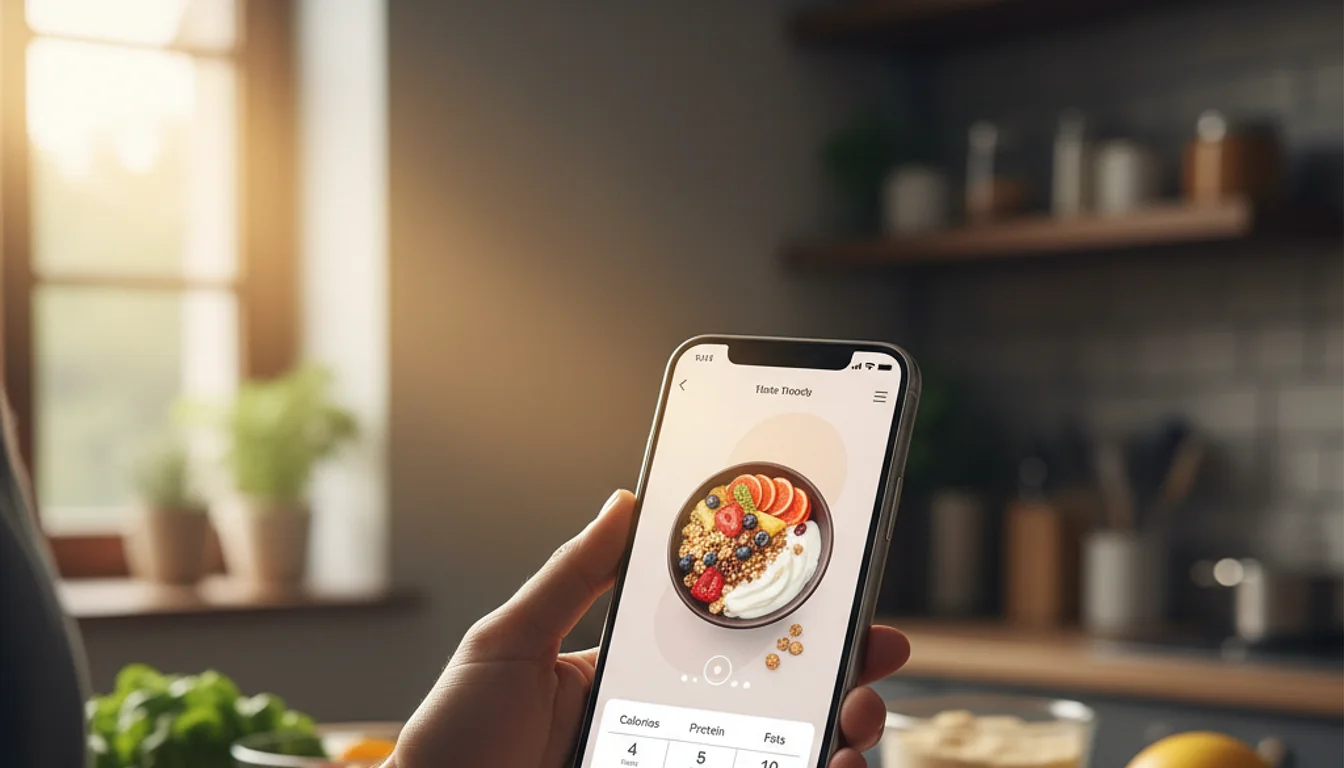
As we move into 2026, the focus is shifting toward nutrient density. I now prioritize how a food makes my joints feel over the exact number on the screen. that said,, knowing your numbers is a vital tool for education. Once you know that a handful of macadamia nuts is 200 calories, you can make an informed choice. You stop being a victim of marketing and start being the CEO of your own health.
“Calories are the map, but nutrition is the destination. You need the map to avoid getting lost, but don’t forget to enjoy the scenery.”
✅ Key Takeaways
- Buy a digital kitchen scale ($15-$25) for 95% accuracy at home. – Use the USDA FoodData Central database instead of crowdsourced app data. – Factor in a 20% margin of error for all packaged food labels. – Use the “Hand Method” for estimating portions when dining at restaurants. – Always account for hidden oils and liquid calories in your daily total.
💬 Frequently Asked Questions
Bottom line: Knowing how many calories are in your food requires a digital scale, a healthy skepticism of labels, and the realization that accuracy is a tool, not a religion.