






Estimated Reading Time: 11 minutes
FFeling overwhelmed by the idea of clean eating? Juggling work, family, and everything in between? You’re not alone!
Many of us struggle to prioritize healthy eating when life gets hectic.
But what if I told you that embracing a clean eating lifestyle doesn’t have to mean spending hours in the kitchen or sacrificing your precious free time?
Let’s explore some practical and effective clean eating tips for busy people in 2025, designed to make healthy choices a sustainable part of your life.
The good news is, by making a few smart adjustments, you can nourish your body and feel your best, even when you’re on the go.
It’s easy to fall into the trap of grabbing quick, processed foods when time is short.
But the long-term benefits of prioritizing whole, unprocessed foods are undeniable.
Imagine feeling more energized, focused, and less prone to those afternoon energy crashes. That’s the power of clean eating!
Before diving in, let’s clarify what’clean eating’truly entails.
It’s about consuming whole, unprocessed foods – think fruits, vegetables, lean proteins, and whole grains – while minimizing added sugars, unhealthy fats, and artificial ingredients.
While it does seem daunting, it’s far easier to integrate than most realize.
The cornerstone of successful clean eating for busy people is meal planning and preparation.
This proactive approach saves you time, reduces decision fatigue, and ensures you always have healthy options available.
I know, it might sound time-consuming, but trust me, it’s an investment that pays off big time.
Consider starting with a simple weekly plan. Sit down on the weekend (or whenever you have a bit of downtime) and outline your meals for the week.
This doesn’t have to be rigid; flexibility is key! Choose a few recipes you enjoy, or experiment with new ones.
Make sure to tailor your meal plan around your week’s schedule, accounting for the days you work late or have extracurricular activities.
This is not about some stringent diet, this is about making sure that you get the nutrients you require on a daily basis.
Batch cooking is your new best friend. Dedicate a few hours on the weekend to prepare components of your meals.
Roast a big batch of vegetables (broccoli, sweet potatoes, and carrots are great!), cook a large pot of quinoa or brown rice, and grill or bake a variety of proteins (chicken breast, fish, or tofu).
Store these components in individual containers in the fridge for easy assembly throughout the week.
You can then put together a quick meal in no time at all.
An easy recipe to start with is sheet pan meals! These are a godsend when you are pressed for time.
Toss all ingredients on a pan, pop it in the oven, and voila!
Efficient grocery shopping is crucial. Create a detailed shopping list based on your meal plan.
Stick to the perimeter of the grocery store, where fresh produce, meats, and dairy are usually located.
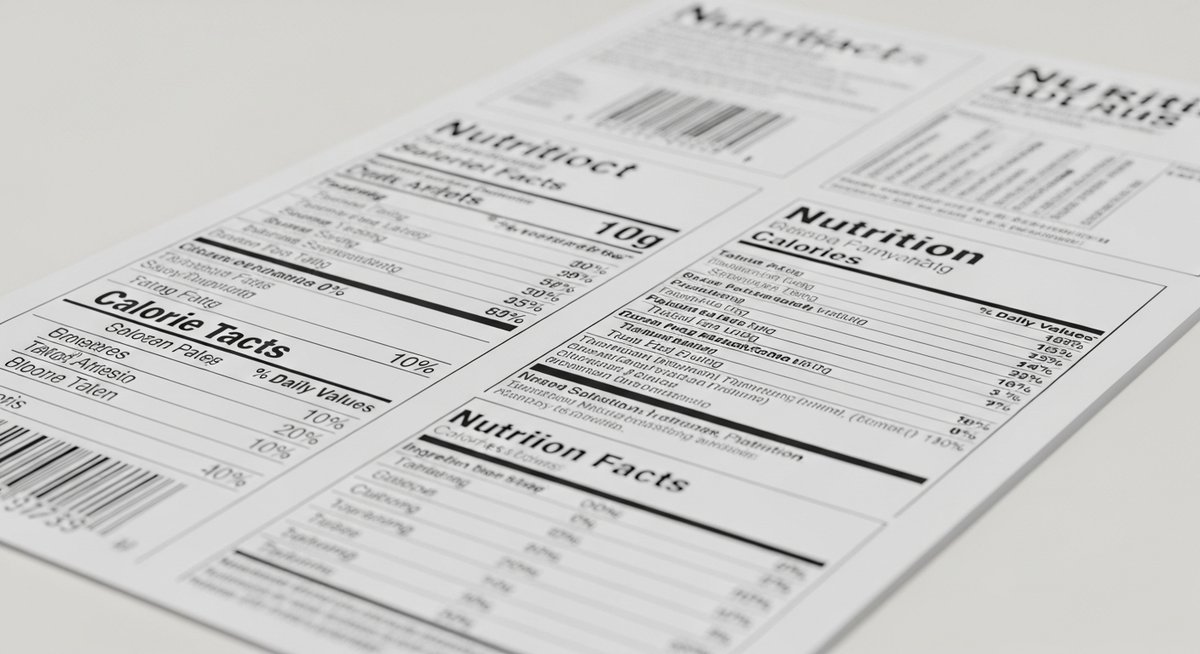
Be mindful of processed foods, even those marketed as’healthy’. Read labels carefully, and focus on ingredients you recognize and understand.
This is where your shopping trip will really be impacted and will make eating clean so much easier.
Let’s face it: life happens. There will be days when you’re running late, traveling, or simply don’t have time to cook.
The key is to be prepared with smart food swaps and on-the-go options.
Instead of reaching for a sugary cereal, opt for a quick and easy breakfast like overnight oats (made the night before) with berries and nuts, or a smoothie packed with fruits, vegetables, and protein powder.
For lunch, pack leftovers from dinner or assemble a quick salad with pre-cooked chicken or chickpeas.
Keep healthy snacks readily available in your desk drawer, car, or bag.
Having healthy snacks on hand can prevent you from succumbing to unhealthy cravings. Here are a few ideas:
These snacks are a much better option to processed foods that will only give you a quick burst of energy and then leave you depleted and hungry.
Meal replacement shakes can be incredibly handy, especially during busy periods. But, not all shakes are created equal.
Focus on shakes that contain whole foods such as vegetables, fruits, and lean protein, instead of ones with processed ingredients.
Be sure to check labels carefully.
Often overlooked, hydration and mindful eating can significantly impact your health and well-being.
Drinking enough water is essential for optimal bodily functions, including energy levels and digestion.
Aim for at least eight glasses of water per day, and carry a reusable water bottle with you to make it easier.
Mindful eating involves paying attention to your food, savoring each bite, and eating without distractions.
This practice allows you to better recognize your body’s hunger and fullness cues, preventing overeating and fostering a healthier relationship with food.
Put away your phone and your computer, and just focus on your food.
Water is important, and for many, it is not something they get enough of.
Carrying a reusable water bottle and making sure it is with you throughout the day can assist with maintaining proper hydration.
This will help with feeling good throughout the day.
Here are some simple tips to incorporate mindful eating into your daily routine:
I find this is especially helpful when dealing with stressful periods.
By taking the time to enjoy your food, you’ll not only eat less, but you’ll feel more satisfied, and it will also help with stress.
The key to long-term success with clean eating is creating a sustainable lifestyle, rather than following a restrictive diet.
Allow yourself occasional treats and don’t beat yourself up if you occasionally stray from your plan. Focus on progress, not perfection.
Remember, this is a lifestyle change.
![healthy eating habits for clean eating tips for busy people [2025]: fuel your life!](https://www.trendynutritionhub.com/wp-content/uploads/2025/11/temp_healthy_eating_habits_1763343757.webp "Healthy eating habits in Clean Eating Tips for Busy People [2025]: Fuel Your Life!")
Focus on adding nutrient-rich foods to your diet instead of solely focusing on eliminating unhealthy ones.
The more whole foods you consume, the less room you’ll have for processed foods. Celebrate your successes and learn from your setbacks.
I’ve been eating this way for years, and it’s a constant learning process.
Consider the principles of the Mediterranean diet as a model, which emphasizes whole grains, fruits, vegetables, healthy fats, and lean protein.
Several studies have shown the benefits of this way of eating, including improved heart health and reduced risk of chronic diseases.
For instance, according to a recent study published in the Journal of the American Medical Association, the Mediterranean diet has shown positive effects on cardiovascular health, reducing the risk of heart disease by up to 30%.
Embracing a clean eating approach is not about deprivation; it’s about making choices that nourish your body and fuel your life.
It is not about eliminating enjoyment from your life. Small changes, consistency, and a little planning can make all the difference.
Remember, the journey to better health is a marathon, not a sprint. And, most importantly, be patient with yourself!
Here are some frequently asked questions about clean eating for busy people: 1. How can I eat clean on a tight budget?
Eating clean doesn’t have to break the bank. Focus on buying seasonal produce, which is often cheaper.
Buy in bulk when possible (especially for grains, beans, and nuts). Plan your meals around affordable protein sources like eggs, beans, and lentils.
Utilize frozen fruits and vegetables – they are often just as nutritious as fresh ones and last longer.
Cooking at home is significantly more cost-effective than eating out.
2. How do I deal with cravings for processed foods?
Cravings are normal, but they don’t have to derail your efforts. First, identify your triggers. Are you stressed, bored, or simply hungry?
When a craving hits, try drinking a glass of water, taking a walk, or distracting yourself with an activity you enjoy.
Have healthy snacks readily available to satisfy your hunger without resorting to unhealthy options. If you give in to a craving, don’t feel guilty.
Just get back on track with your next meal.
3. How much time do I need to dedicate to meal prepping?
The amount of time depends on your needs and the complexity of your meals.
Even setting aside an hour or two on the weekend to prep some basic components (like chopping vegetables or cooking grains) can make a big difference.
As you get more comfortable, you can experiment with more involved meal prep sessions.
Remember, even simple steps like packing a lunch the night before or making extra dinner for leftovers can save you time during the week.
4. Are there any specific apps or tools that can help with meal planning and clean eating?
Yes, there are many helpful apps available. Mealime, Paprika, and Eat This Much are great for meal planning and recipe organization.
MyFitnessPal and Lose It! can help you track your food intake and monitor your progress.
Consider using grocery delivery services to save time on shopping.
These tools can make it easier to stay organized and on track with your clean eating goals. 5. Can I eat clean if I travel frequently?
Absolutely! The key is planning. Pack healthy snacks like nuts, seeds, and dried fruit.
Look for grocery stores or healthy restaurants near your hotel.
Research restaurants ahead of time and choose options with fresh ingredients and simple preparations.
Don’t be afraid to make special requests, like asking for vegetables instead of fries.
Consider bringing your own small, portable blender for smoothies.
6. What are the best resources for learning more about clean eating?
Start by consulting with a registered dietitian or nutritionist who can provide personalized guidance.
Explore reputable websites and blogs focused on healthy eating, like the Academy of Nutrition and Dietetics or the Mayo Clinic.
Read cookbooks focused on whole foods and meal prepping.
Join online communities or forums to connect with others on a similar journey for support and inspiration. The best place to start is just starting!
Ready to make a positive change? Begin by incorporating one or two of these clean eating tips into your daily routine.
Start slow, be patient with yourself, and celebrate your progress along the way. Remember, even small steps can lead to significant results.
Are you ready to embrace a healthier lifestyle? Join our newsletter for weekly health tips!
Frequently Asked Questions
What’s the best way to get started with clean eating when you have a busy schedule?
Start small and focus on one or two changes at a time. Begin by planning your meals for the week, even if it’s just for a few dinners. Then, consider batch cooking some staple ingredients, like quinoa or roasted vegetables. Finally, prioritize having healthy snacks on hand.
The goal is to gradually integrate clean eating into your existing routine without feeling overwhelmed. Small wins lead to big success, especially in the long run.
How can I avoid feeling deprived when switching to a clean eating plan?
Focus on the foods you can enjoy rather than what you can’t have. Clean eating is about adding nutrient-rich foods to your diet rather than completely restricting yourself. Embrace colorful fruits and vegetables, lean proteins, and whole grains. Allow yourself occasional treats in moderation.
The goal is to nourish your body and feel satisfied, not to feel like you’re missing out. Enjoying what you eat is crucial for long-term success.
Is it possible to eat clean and still enjoy eating out at restaurants?
Absolutely! The key is to make smart choices. Before you go, research the menu and identify healthy options. Look for dishes prepared with fresh ingredients and simple cooking methods (grilled, baked, steamed). Don’t be afraid to customize your order.
Ask for sauces and dressings on the side, request extra vegetables, or substitute unhealthy sides with healthier alternatives. Practice mindful eating and enjoy the experience.
What are some of the biggest mistakes people make when trying to eat clean?
One of the most common mistakes is being too restrictive or trying to change everything at once. This can lead to burnout and frustration. Another mistake is over-relying on processed’health foods’marketed as clean, as these can be high in added sugars, sodium, and unhealthy fats.
Also, underestimating the importance of hydration and mindful eating can hinder your progress. Be patient and give yourself grace.
How do I deal with picky eaters and their preferences when trying to eat clean?
When dealing with picky eaters, be patient and creative. Offer a variety of healthy foods and encourage them to try new things. Make small changes gradually and involve them in the cooking process. Offer appealing presentation, and pair new foods with familiar favorites.
Focus on positive reinforcement rather than nagging or force-feeding. Lead by example; if you’re eating and enjoying clean meals, they’ll be more likely to give it a try.
Can clean eating help me with weight loss, and if so, how?
Yes, clean eating can absolutely support weight loss. By prioritizing whole, unprocessed foods, you naturally reduce your intake of calories, unhealthy fats, and added sugars, which often lead to weight gain.
Clean eating also encourages increased consumption of nutrient-rich foods that promote satiety, like fiber-rich fruits and vegetables, which can help you feel full and satisfied. Combining clean eating with regular exercise is a winning strategy.
![moment for live more mindfully every day: a practical guide [2025]](https://www.trendynutritionhub.com/wp-content/uploads/2025/11/temp_moment_1763514992.webp)
![reduce for best anti-inflammatory foods for daily meals [your inflammation-fighting guide]](https://www.trendynutritionhub.com/wp-content/uploads/2025/11/temp_reduce_1763514597.webp)
![probiotics for boost your gut health: what to eat for a happy belly [2025]](https://www.trendynutritionhub.com/wp-content/uploads/2025/11/temp_probiotics_1763343659.webp)