






Estimated Reading Time: 7 minutes
DDd you know that the average American consumes around 77 grams of sugar *every single day*?
That’s a staggering amount, often hidden in seemingly healthy foods. Perhaps you, like me, are aiming to cut back.
It’s not just about losing weight; it’s about feeling better, having more energy, and reducing your risk of chronic diseases.
So, how can we reduce sugar naturally and reclaim our health? Let’s dive in!
It’s a journey, not a destination. Think of it like learning a new language – it takes time and practice.
One day you might be reaching for that tempting cookie, and the next you’re happily sipping herbal tea, feeling the difference in your body and mind.
Sugar, in all its forms, is incredibly addictive.
When you eat sugar, your brain releases dopamine, a neurotransmitter associated with pleasure and reward.
This creates a cycle: you eat sugar, you feel good, and your brain craves more.
This is further exacerbated by the fact that many processed foods are engineered to be hyper-palatable, meaning they’re designed to be irresistible – often by maximizing the sugar content.
Furthermore, sugar often hides under different names, making it hard to track.
Some common aliases include high-fructose corn syrup, dextrose, sucrose, and maltose. Reading labels becomes a detective game!
Be wary of’low-fat’products too; often, manufacturers compensate for the lack of fat by adding extra sugar for flavor.
Consider the impact on the liver, which converts excess sugar into fat, contributing to the development of non-alcoholic fatty liver disease (NAFLD).
In fact, a recent study (2024) published in *The Journal of Hepatology* found a significant correlation between high sugar intake and the incidence of NAFLD.
This should give us even more reason to examine our relationship with sugar.
Let’s take a closer look at some seemingly harmless culprits:
The key to reducing sugar naturally is awareness.
We need to become label detectives, scrutinizing ingredient lists and understanding the hidden sources of sugar.
The good news is that reducing your sugar intake doesn’t have to be a miserable experience.
It’s about making smart choices, gradually adjusting your habits, and finding delicious alternatives.
This is arguably the most impactful change you can make.
Sodas, juices, and sweetened coffees are often the biggest contributors to added sugars in the diet.
Opt for water, unsweetened tea, or sparkling water infused with fruit. One can of soda can contain an entire day’s worth of sugar!
Focus your diet around fruits, vegetables, lean proteins, and whole grains.
These foods are naturally lower in sugar and provide essential nutrients and fiber, helping you feel fuller for longer.
Fiber slows down sugar absorption, preventing those dreaded sugar crashes.
When you cook at home, you have complete control over the ingredients. Avoid pre-made sauces and dressings, which are often loaded with sugar.
Experiment with herbs, spices, and natural flavor enhancers like lemon juice, vinegar, and garlic.
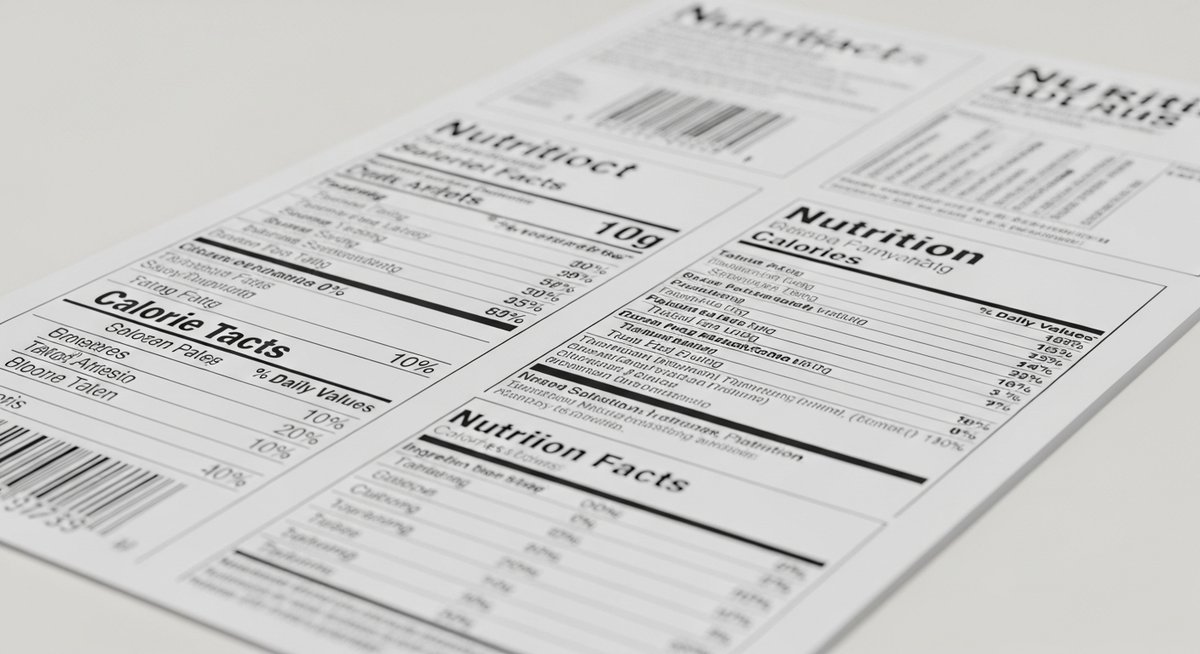
Become a label detective! Look beyond the’sugars’listed on the nutrition facts panel and scrutinize the ingredient list.
Remember, ingredients are listed in order of predominance. If sugar (or any of its aliases) is near the top of the list, it’s a red flag.
Aim to choose products with 5 grams of sugar or less per serving.
![glycemic for how to reduce sugar naturally: your delicious guide [2025]](https://www.trendynutritionhub.com/wp-content/uploads/2025/11/temp_glycemic_1763343010.webp "Glycemic in How to Reduce Sugar Naturally: Your Delicious Guide [2025]")
A valuable reference for this is the American Heart Association guidelines on added sugar consumption.
Sugar cravings are very real. They’re often triggered by stress, fatigue, or boredom. When a craving hits, try these tactics:
Sleep deprivation and chronic stress can both contribute to increased sugar cravings.
Aim for 7-9 hours of quality sleep per night and practice stress-reducing techniques like meditation, yoga, or deep breathing exercises.
There is a strong relationship between cortisol, a stress hormone, and increased sugar intake.
Don’t try to go cold turkey overnight. This can lead to intense cravings and feelings of deprivation.
Instead, gradually reduce the amount of sugar you consume.
For example, if you add two teaspoons of sugar to your coffee, reduce it to one, then to half, and eventually eliminate it altogether.
Small, sustainable changes are more effective than drastic ones.
Remember, it takes time. Be patient with yourself. There will be slip-ups, but don’t let them derail you. Learn from them and keep moving forward.
The rewards of reducing sugar naturally extend far beyond weight loss. You might experience:
Perhaps you have noticed a friend who seems to glow with vitality; they may be reaping the benefits of a sugar-conscious lifestyle.
Think of it as a gift to yourself – a investment in your long-term health and well-being.
Embarking on a journey to reduce sugar naturally is an act of self-care.
It’s about empowering yourself to make informed choices that nourish your body and mind. Remember, this is not a diet; it’s a lifestyle shift.
It’s about building a sustainable relationship with food, prioritizing whole, unprocessed options, and recognizing the hidden dangers of added sugars.
Consider starting with one small change this week. Perhaps it’s swapping your morning soda for water, or cooking at home more.
Celebrate your progress and remember that every small step counts.
Don’t be afraid to experiment, explore new recipes, and find what works best for you. The journey to a healthier, happier you begins now!
By learning how to reduce sugar naturally, you’re not only taking control of your health but also setting an example for others. It’s a win-win!
Ready to take the next step? Join our newsletter for weekly health tips!
Frequently Asked Questions
What are the first steps I should take to reduce my sugar intake?
The most impactful first step is to focus on your beverages. Swap sugary sodas and juices for water, unsweetened tea, or infused water. The second is to start reading food labels carefully, especially the ingredient list. Look for hidden sugars like high-fructose corn syrup, sucrose, and dextrose.
Also, begin to gradually phase out processed snacks and baked goods and opt for more whole, unprocessed foods like fruits, vegetables, lean proteins, and whole grains. These are the easiest immediate wins!
Are artificial sweeteners a good alternative to sugar?
The research is mixed, and it’s complicated. While artificial sweeteners may help reduce calorie intake in the short term, there are concerns about their long-term effects on metabolism and the gut microbiome. Some studies even suggest they can *increase* sugar cravings by confusing the brain’s reward system.
Natural sweeteners like stevia or erythritol can be used in moderation but are not a complete solution. The best long-term strategy is to decrease the reliance on all types of sweeteners and train your taste buds to enjoy less sweet foods.
How can I deal with sugar cravings when they hit me?
When a sugar craving strikes, it’s essential to have a plan. First, drink a full glass of water. Often, we mistake thirst for hunger. Second, have a healthy snack prepared. A handful of nuts and seeds, a piece of fruit, or some Greek yogurt (check the sugar content!) can satisfy the craving.
Distract yourself; go for a walk, listen to music, or call a friend. Finally, address the underlying cause, whether it’s stress, boredom, or lack of sleep. Practicing mindfulness and identifying triggers will help you break the cycle of cravings.
How long does it take to see results when reducing sugar?
The timeline varies based on your current sugar intake and your commitment to change, but you can expect to start noticing positive changes within a few weeks. You may experience increased energy levels, improved mood, and clearer skin.
Within a month or two, you should be able to see more significant changes, such as weight loss (if applicable), improved digestion, and reduced cravings. Consistency is key! The journey is not about perfection, but progress.
Is it okay to eat fruit if I’m trying to reduce my sugar intake?
Absolutely! Fruits contain natural sugars, but they also provide essential vitamins, minerals, fiber, and antioxidants. Fiber slows down the absorption of sugar, and the other nutrients are incredibly beneficial. The key is moderation and choosing fruits over processed alternatives like fruit juice.
Berries, apples, and pears are generally good choices due to their fiber content and lower sugar levels compared to tropical fruits like mangoes or bananas. When paired with protein or healthy fats, the impact of the sugar is further reduced.
I’ve tried reducing sugar before and failed. What should I do differently this time?
First, don’t be discouraged! Previous attempts are learning experiences. Analyze where you fell short. Did you try to change too much too quickly? Were your expectations unrealistic? This time, focus on small, sustainable changes. Set achievable goals.
Instead of eliminating all sugar at once, start by reducing your sugar intake gradually. Plan ahead: Prepare healthy snacks and meals to avoid impulsive decisions. Track your progress and celebrate your victories. Consider professional guidance from a registered dietitian or nutritionist for personalized support.
![moment for live more mindfully every day: a practical guide [2025]](https://www.trendynutritionhub.com/wp-content/uploads/2025/11/temp_moment_1763514992.webp)
![reduce for best anti-inflammatory foods for daily meals [your inflammation-fighting guide]](https://www.trendynutritionhub.com/wp-content/uploads/2025/11/temp_reduce_1763514597.webp)
![healthy eating habits for clean eating tips for busy people [2025]: fuel your life!](https://www.trendynutritionhub.com/wp-content/uploads/2025/11/temp_healthy_eating_habits_1763343757.webp)